
The Review Desk · Verdict
Best AC Repair Companies in Fredericksburg
Four AC repair options compared on peak-season speed, how the price arrives, and where each one falls short during a Fredericksburg heat wave.
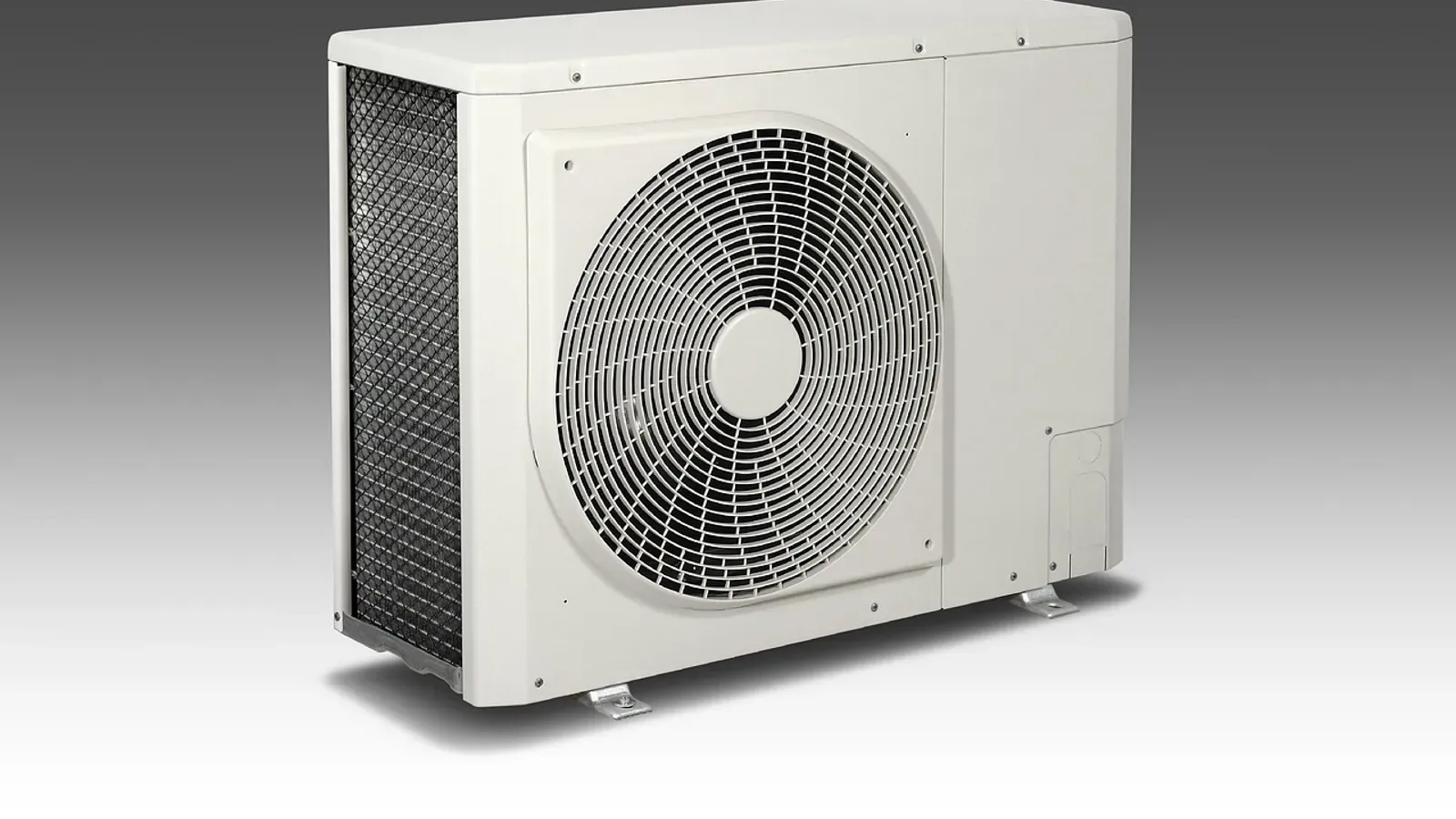
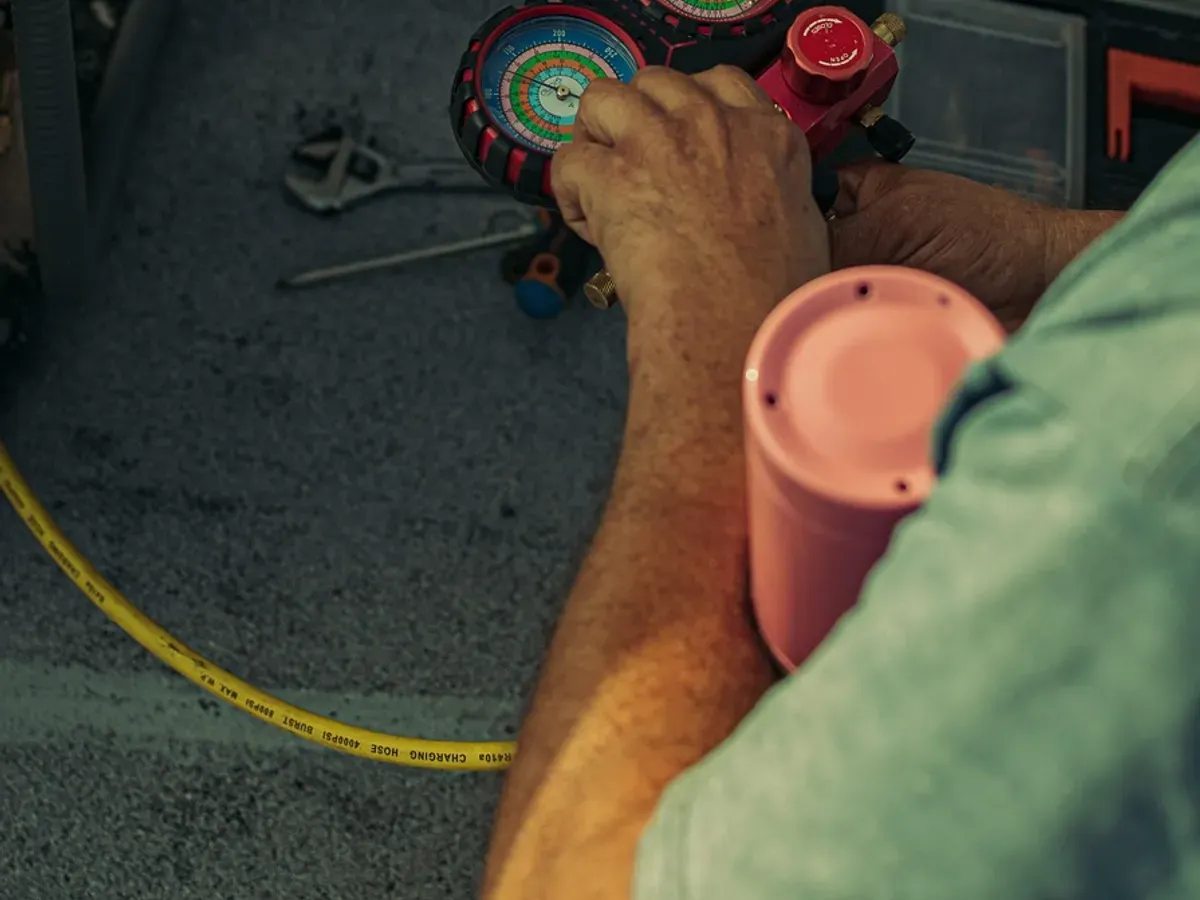
Decide this one on speed, then read why
If the house is already hot, stop comparing and call whoever can arrive soonest among shops that will state a license number and a diagnostic fee on the phone. Cooling failures compound. A July afternoon at ninety-four degrees turns an inconvenience into a health question for anyone elderly or very young in the building, and a day of waiting costs more than the difference between two hourly rates.
If nothing has failed and you are choosing ahead of the season, invert that. Speed stops mattering and continuity starts. A full-service contractor that keeps heating, cooling, and hot water on one account will know your equipment by the second summer, and a provider whose site is worth a read on that point is www.robertbpayne.com, which carries HVAC work alongside water heater and oil delivery service. Reading a few sites in April is free. Reading them at four in the afternoon in August is not.
The one thing to refuse in either case is a replacement quote from somebody who has not diagnosed the fault. A capacitor and a compressor are not the same conversation, and only one of them justifies the number at the bottom of the page.
Line the four cooling options up on four measures
| Provider type | Speed in peak heat | How the price arrives | Weak spot |
|---|---|---|---|
| Dedicated cooling specialist | Fastest in July | Flat rate per repair | Nothing to offer in winter |
| Full-service contractor | Scheduled, dependable | Quoted against an account | Queued behind other trades |
| After-hours emergency shop | Nights and weekends | Surcharge stated up front | Crew quality varies by night |
| Small independent | Appointment-based | Time and materials | Limited parts on the shelf |
Know what a Fredericksburg July does to the calendar
Cooling season here is short, sharp, and badly distributed, and that shapes every row above.
The bulk of failures land inside a handful of weeks. Equipment that ran acceptably through a mild June meets the first sustained stretch above ninety and gives out, and it gives out across the whole area at once. That means the market you are shopping in August is not the market that exists in April. Response windows stretch, surcharges appear, and the shop that answered in two rings last spring now routes you to voicemail.
Housing stock splits the field further. A brick house near the historic core has small ducts, thick walls, and decades of retrofits stacked on one another, so a system that is technically adequate still struggles on the second floor. A newer build spreading toward Spotsylvania has open runs and equipment sized to the original plan rather than to the additions that came later. The same repair performs differently in those two buildings, and so does the same technician.
This is a town with a long record of ordinary businesses lasting, which is visible in the material published by the office that tracks business here and in its account of institutions like the university at the center of town. Longevity is worth something in a trade where a two-year-old company can vanish between one cooling season and the next.
Work through the rows one at a time
The dedicated cooling specialist takes the top row on speed and nothing else. A crew that touches only air conditioning through the peak has both trucks on the road and the common parts already loaded, so the visit is short and the fix tends to stick. Ask how many technicians the shop dispatches on its busiest day of the year. The number is more informative than any review, because it is the only figure that describes capacity rather than sentiment. What you are not buying is a year-round relationship. Come November there is no reason to call them.
The full-service contractor gives up some summer speed for range. Its crews are covering furnace calls and water heater installs in the same week, so you may sit behind other work. In exchange you get one number for the whole house and a technician who has seen your basement before. For a planned tune-up or a replacement decided in advance, this row usually wins outright. For an emergency in the third week of a heat wave, it usually does not.
The after-hours emergency shop earns its place on one specific night. Being reachable at nine on a Sunday is the entire product, and the surcharge is the price of that availability rather than a markup on the repair. Ask for the surcharge as a number before agreeing to a visit, and ask whether the technician arriving at midnight is on staff or subcontracted. Quality across this row is the least consistent of the four, and the variation lands on whichever crew happens to be awake.
The small independent fits an older unit with a single identifiable fault. A lean crew billing time and materials often produces the most repair for the least money, particularly on a capacitor, a contactor, or a low charge that needs finding rather than guessing. The limit is stock. A part a larger shop keeps on the shelf becomes an order and a wait, and in cooling season a wait is the expensive part.
There is a listening test that applies to every row. An air conditioner that hums but does not start, one that starts and trips a breaker, and one that runs continuously without cooling are three separate faults with three different price ranges. Say which of the three you have when you call. It routes you to the right crew and it tells the shop you are paying attention, which changes the conversation more than most homeowners expect.